Sleep Calculator
Find the Best Time to Sleep or Wake Up
Free to use • No sign-up • Instant results • Wake-up and bedtime calculator
This tool is for general sleep planning only and is not medical advice.
We'll calculate wake-up times from right now.
We include an average 14-minute fall-asleep estimate.
Nap Calculator
A 20-minute power nap avoids deep sleep. A 90-minute nap completes one full sleep cycle.
How This Sleep Calculator Works
Your sleep isn't one continuous state — it moves through repeating cycles of light sleep, deep sleep, and REM, each lasting roughly 90 minutes. You pass through four to six of these cycles a night. The reason some mornings you spring awake clear-headed and others you feel like you've been hit by a truck — despite sleeping the same number of hours — comes down to where in a cycle your alarm goes off. Wake at the end of a cycle, in light sleep, and the transition to being awake is smooth. Wake in the middle of deep sleep and you get sleep inertia: that thick, groggy, disoriented feeling that can last 30 minutes or more.
ZZZCalc works backwards from this. Enter the time you need to wake up and it counts back in 90-minute blocks, adding an average 14 minutes to fall asleep, to show you the bedtimes that land your alarm in light sleep rather than deep sleep. Or enter "sleep now" and it does the reverse — showing the best times to set your alarm from this moment. If you work shifts, the shift mode builds your sleep window around your shift end time instead of a normal bedtime.
How to Read Your Results
The calculator gives you several options, not one answer — because the "right" amount of sleep depends on your night. Each suggested time represents a complete number of cycles:
- 5–6 cycles (7.5–9 hours) is the target for full restoration. Aim here when you can.
- 4 cycles (6 hours) is the realistic minimum on a short night. Crucially, 6 hours waking between cycles will usually leave you feeling better than 6.5 hours waking mid-cycle.
- The earliest times suit short sleepers and tight mornings; the later times suit full recovery nights.
Pick whichever fits the night you've actually got, rather than forcing a number you can't hit.
Why You Still Feel Tired Even After "Enough" Sleep
Sleep timing is powerful but it's only one lever. If you're hitting your cycle-aligned bedtime and still dragging, the usual culprits are: caffeine too late in the day (it has a 5–6 hour half-life, so a 4pm coffee is still half-active at 9pm), screen light suppressing melatonin in the hour before bed, an inconsistent schedule that keeps your body clock guessing, alcohol fragmenting the second half of your night, or a room that's too warm, too bright, or too noisy. Fix the timing first with the calculator, then work through these one at a time.
Who This Calculator Helps Most
Anyone can use it, but it earns its keep for people whose schedules fight their body clock: shift workers juggling nights, 12-hour shifts and rotating rotas; parents grabbing sleep in broken windows; early risers with 5am alarms who need to protect every cycle; and students or anyone trying to rebuild a consistent routine. If your wake time is fixed but your bedtime drifts, this tool turns "I'll just go to bed whenever" into a specific, cycle-aligned target.
A Note on Consistency
The single biggest upgrade to your sleep isn't a gadget — it's going to bed and waking up at roughly the same time every day, including weekends. A regular schedule strengthens your circadian rhythm until you start to feel sleepy and wake up naturally around the same times without much effort. The calculator gives you the target; consistency makes it stick.
This tool is for general sleep planning only and is not medical advice. If you have persistent sleep problems, speak to a qualified health professional.
Sleep Calculator FAQ
What is a sleep cycle?
A sleep cycle is a repeated pattern of sleep stages. This calculator uses an approximate 90-minute cycle.
Why does the calculator add extra time?
Most people do not fall asleep instantly. We include an average 14-minute fall-asleep estimate.
Do I need exactly 8 hours of sleep?
Not everyone needs the same amount. This tool gives general timing suggestions, not medical advice.
Is waking between sleep cycles better?
Some people find it easier to wake between cycles than in the middle of one, but sleep quality depends on many factors.
Can shift workers use this?
Yes. Select "I work shifts", enter your shift start time and the calculator will suggest the best times to sleep beforehand.
Is this medical advice?
No. This is a general planning tool. If you have persistent sleep problems, speak to a qualified health professional.
Why do I still feel tired?
Sleep timing is only one factor. Stress, caffeine, light exposure and routine all affect how rested you feel.
Popular Bedtime Products
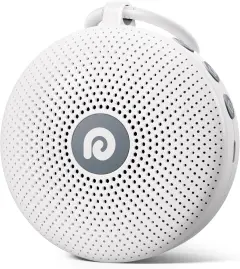




Disclosure: Some links may be affiliate links. We may earn a small commission at no extra cost to you.